

If you’ve just received your TRYM order in the mail, and you’re ready to get started, then you’ve made it to the right place!
Whether you’re on a Tirzepatide or Semaglutide protocol – this guide will help you figure out dosing, maintaining sterility, and finally giving yourself your first injection. Both compounds provided by TRYM are available as generics on the market. For Semaglutide there is WeGovy® and Ozempic®, and for Tirzepatide there is Mounjaro® and Zepbound®. There are also generics for orally administered GLP-1 Agonists, but at this time we do not provide them as their clinical efficacy isn’t as well researched. Regardless, we’ll be focusing mostly on the dosing provided and regulated by the FDA. Compounded medications are produced at FDA-approved compounding pharmacies. The purpose of these pharmacies is to address the ongoing shortages and lack of availability of branded GLP-1 medications. The goal of your prescription is to get to a healthier weight, but it goes without saying that there are an abundance of other health benefits including:
Like many other medications, you may also experience side effects. These can begin as early as your first week, and can occur due to a number of different reasons. Fortunately, none of the side effects of compounded GLP-1’s are deadly, permanent, or life-altering. Some people who experience side effects on Semaglutide might find that Tirzepatide is a better fit and vice versa. If you feel like this might be the case, reach out to your provider by text or contact us. Regardless, the main side effects for compounded Semaglutide and Tirzepatide are:
They may also cause injection site reactions or reduced absorption due to delayed gastric emptying. Balance is key when taking either type of GLP-1 medcation. Its efficacy and the severity of adverse effects depend on the right dosage.
In your package you should notice that you’ve received three things for injections: your prescribed medication, a set of sealed needles, and alcohol swabs. It might not look like there is enough medication in your vial, but rest assured that there is! Sometimes less is more. Each of your included needles are single use only. Never reuse needles! Once you’ve used a needle, dispose of it in a designated sharps container. Everytime you draw from your vial, ensure that you’ve wiped it down with an alcohol swab, as well as your injection site. Its imperative that you do this to maintain sterility and reduce the chances of post-injection irritation or infection.
If you also use insulin:
If you ever miss or are late administering a dosage, get back on track within no later than 5 days. Afterwards, follow your originally planned injection schedule. Do not “double-up” or inject a higher amount in an attempt to catch up to a missed injection. Taking an extended break longer than two weeks might also require you to start over from the lowest dose. If this is the case, reach out and we will assist you with getting back on track.
The standard starting dosages for Semaglutide and Tirzepatide are 0.25mg and 2.5mg respectively. You might not feel the effects until your 5th week, as these starting dosages are intended to allow your body to acclimate. Its recommended that after every four weeks you move up a dosage for both medications. Once you’ve reached the maximum dose – for example, 2.5mg/week of Semaglutide – the goal is to maintain it until you reach your goal.
Typically, the majority of patients on compounded Semaglutide and Tirzepatide do not exceed the standard maximum dose (2.5mg for Semaglutide or 15mg for Tirzepatide), but if you feel that your appetite is not adequately suppressed, or that these dosages are not effective for you, then your provider might move you up. At this time, this comes at no additional charge.
Below are the units conversion charts for each protocol and vial concentration offered. Everything is color coded for your convenience; follow the chart that matches the color of your vial label and cap.
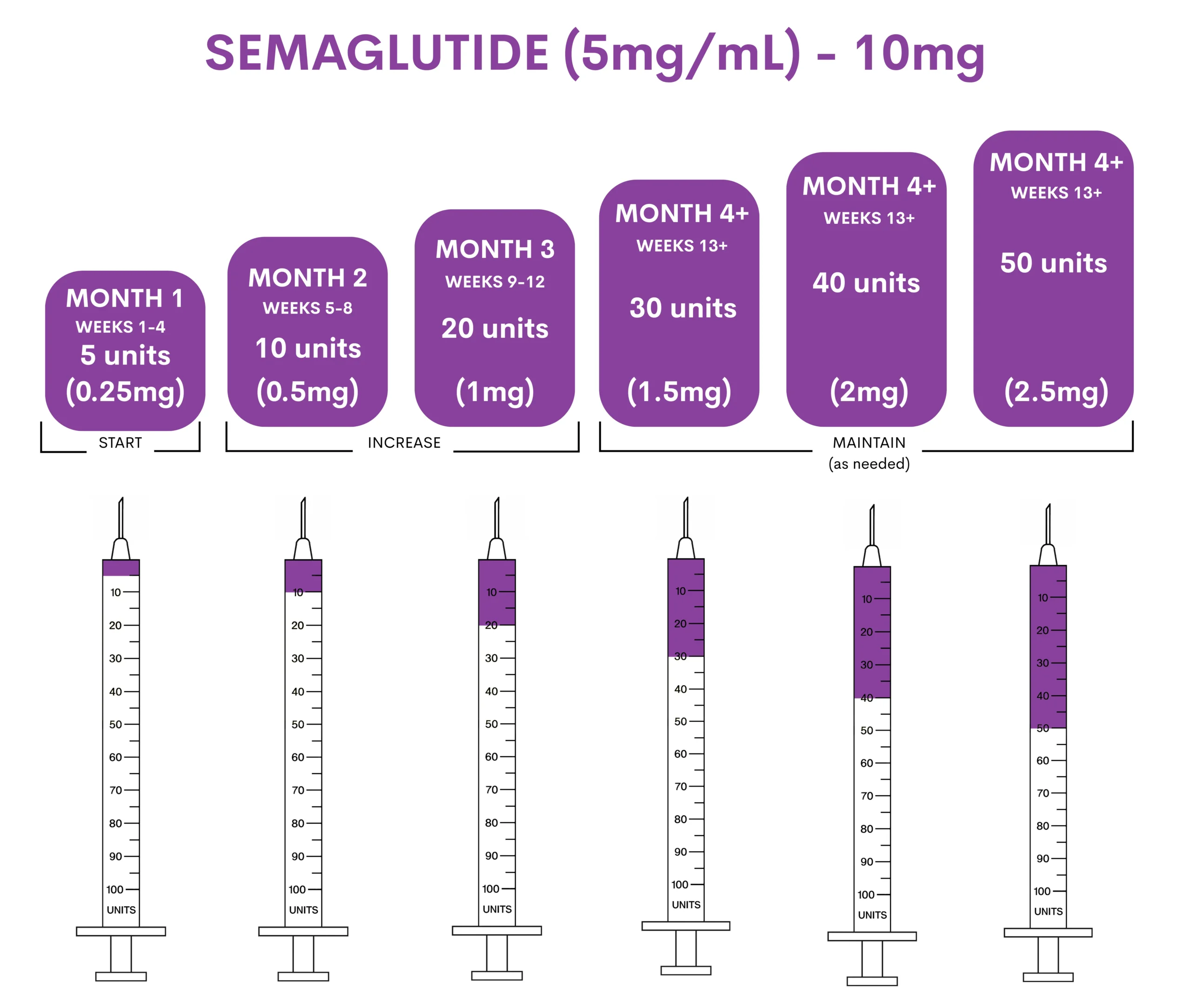
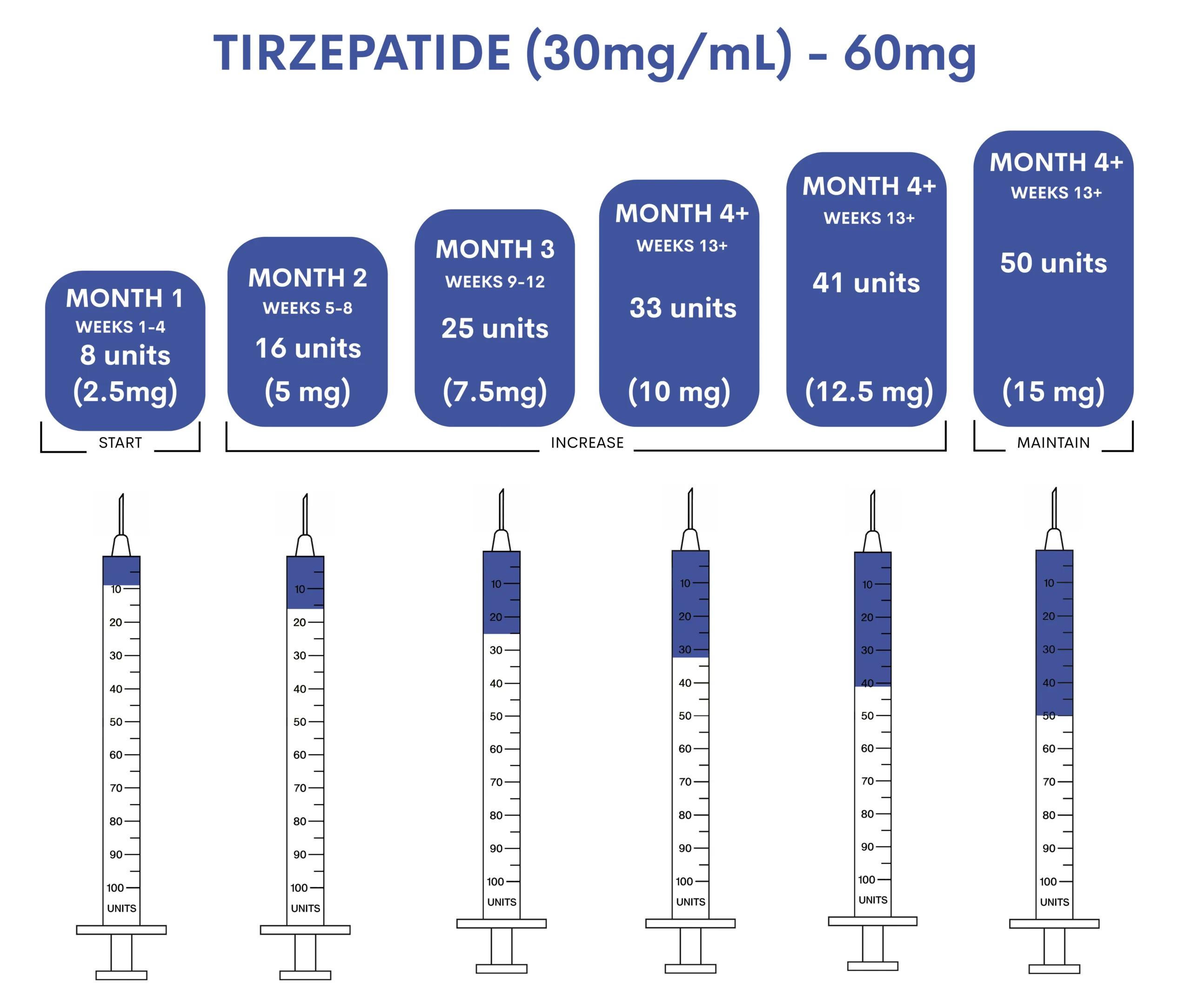
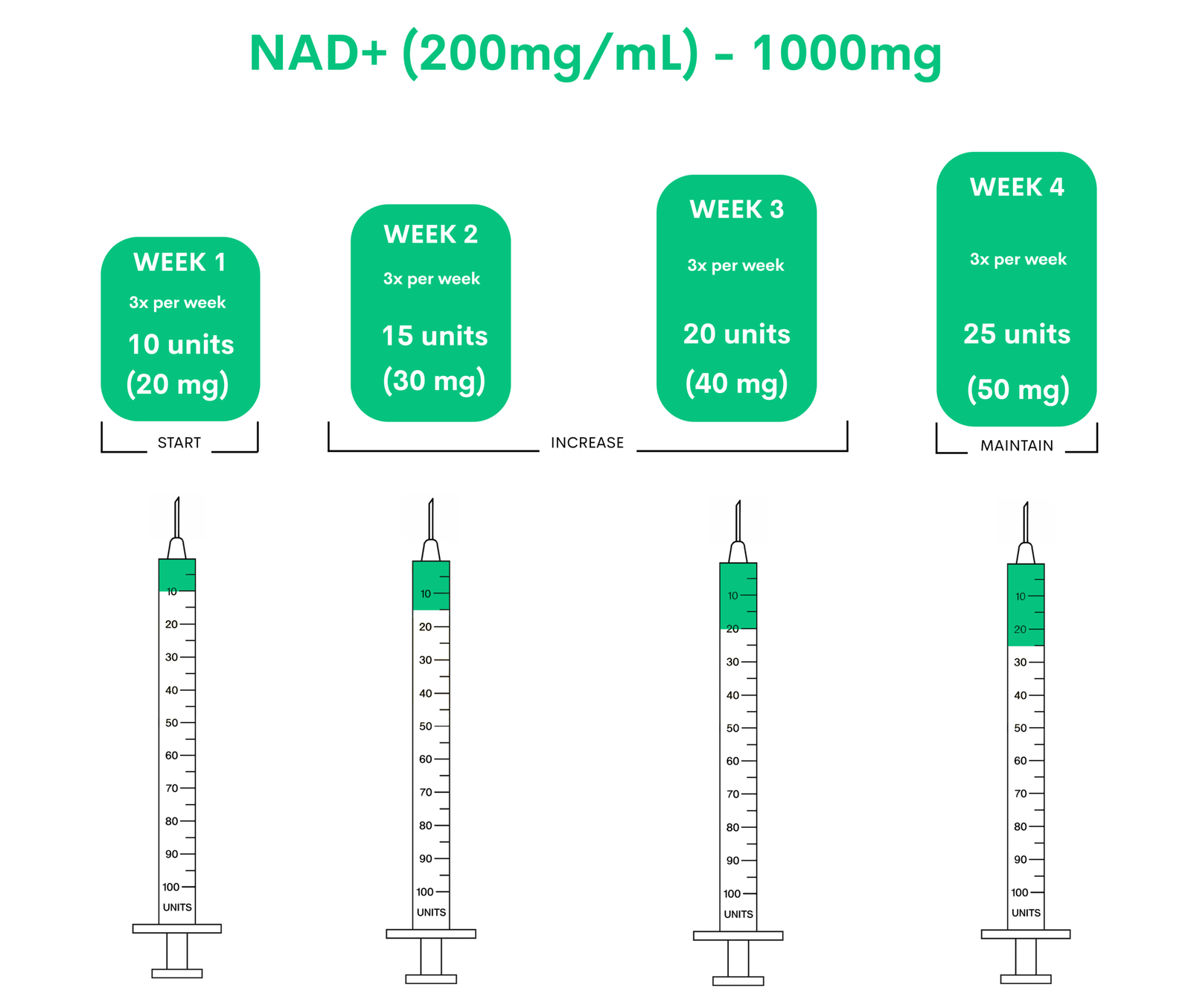
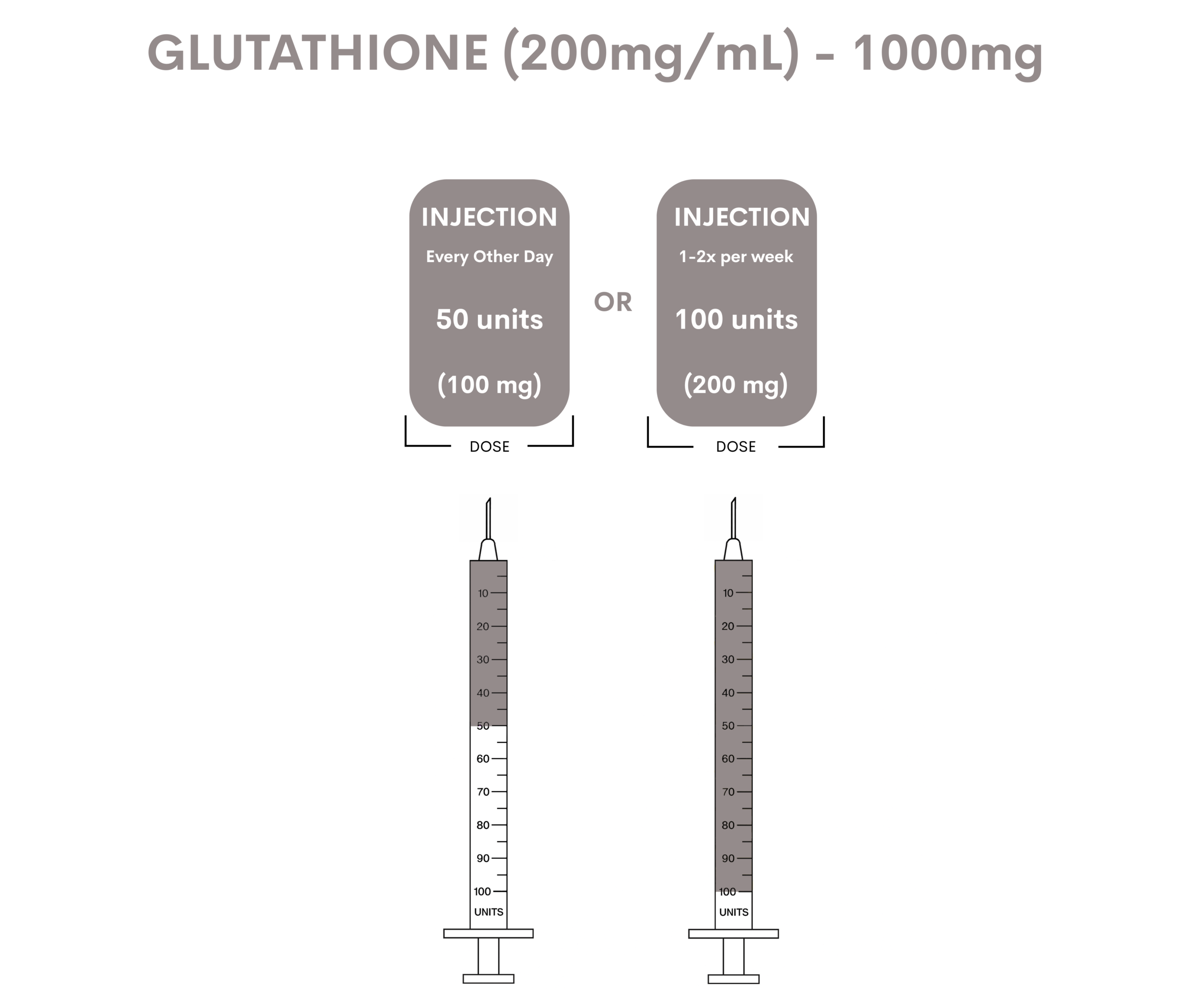
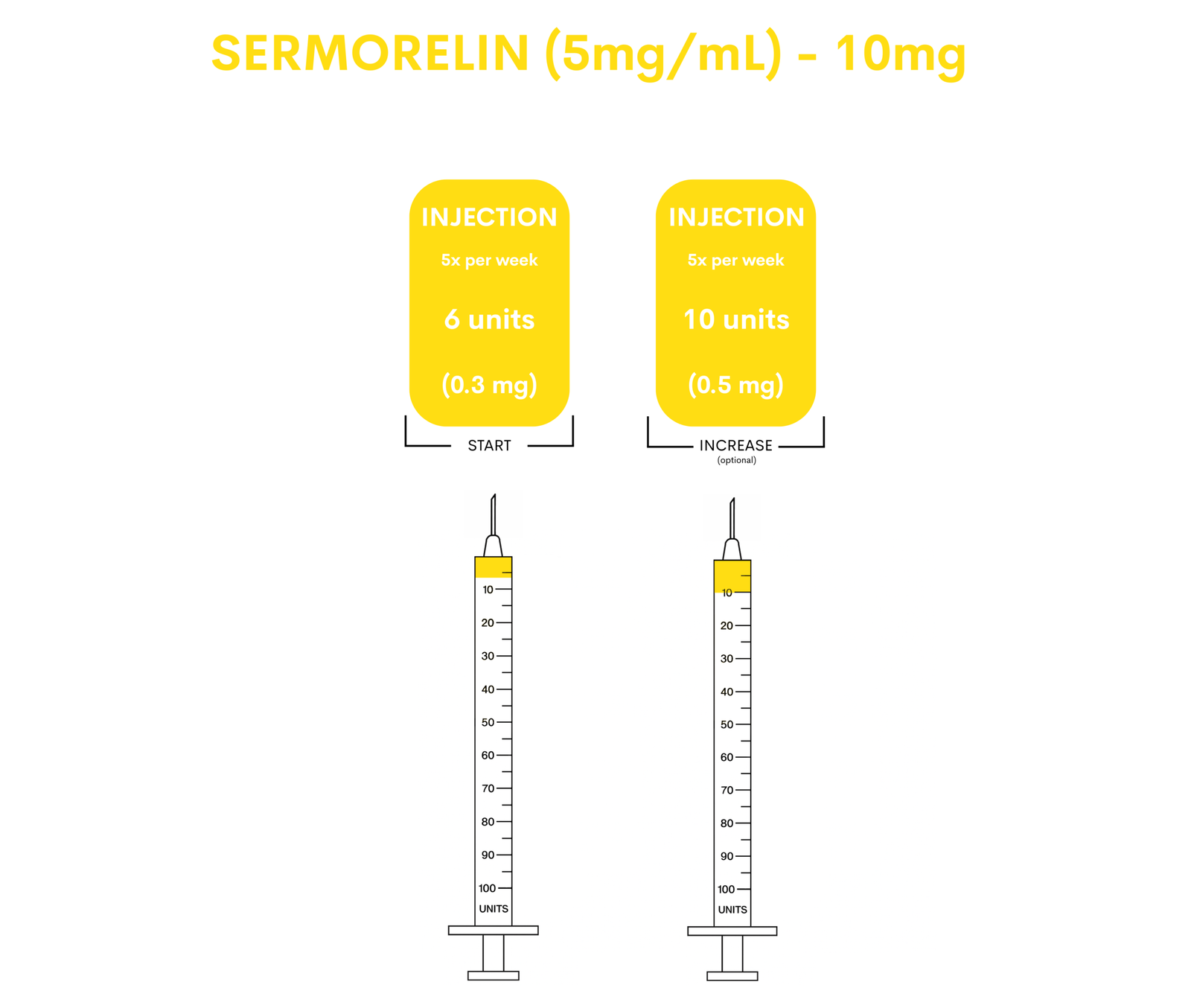
The above dosage schedule is typical for someone who is starting a new protocol. If you are switching from another program, match the above dosage to your current and notify us – we’re happy to accommodate your transition to our program from another!
We highly recommend that you adhere to the schedule above. Deviating from it can exacerbate side effects, and will not speed up or give better results. By gradually incrementing your dosage, you give your body time to adjust and acclimate to the medication and its effects. Once you’ve reached the maximum dose (2.5mg for Semaglutide and 15mg for Tirzepatide) the goal is to maintain this dosage moving forward until you reach your goal.
We value transparency, and believe its crucial to providing top tier care. Our commitment to helping you reach your weight-loss goals supersedes the greed that dominates the healthcare industry. If you need help or have questions – rest assured we’ll be there.

TRYM Health™ is a subscription management platform providing wellness programs. TRYM Health does not directly provide medical or pharmacy services.
Compounded drugs are not FDA-approved medications. They
have not been evaluated by the FDA for safety, efficacy, or quality.
(347) 450-9244
Operating 9 AM – 5 PM on weekdays. The information provided on this website is for informational purposes and not a substitute for professional medical advice, diagnosis, or treatment
TRYM Health Group
Copyright © 2025 All rights reserved.